
Insights for music educators
Tips, stories, and resources for teachers, studio directors, and ensemble leaders.

Music Assessment Rubrics: Criteria, Levels and Scoring
Build a music assessment rubric for performance, choir, band and class work: criteria, level descriptors, a sample table and how to score consistently.

Lesson Notes Template for Music Teachers
A lesson notes template for music teachers: fields to include, a weekly workflow, versions for studios and ensembles, parent meeting agenda and assignment sheet.

Choir Audition Management: Process, Forms and Rubric
How to manage a choir audition from the first enquiry to the final decision: forms, stages, a scoring rubric, scheduling and follow-up for choir directors.

Choir Warm-Ups: A Routine You Can Run in 10 Minutes
Choir warm-ups for rehearsal: how long to run them, a 10-minute structure, breathing and vocal exercises, fun games and how to adapt them for any age.

Band Section Leader Roles: Duties, Skills and Structure
What a band section leader does before, during and after rehearsals, how to choose and train one, and how directors can set the role up so it works.

Band Tour Planning: A Step-by-Step Guide for Australian Bands
Plan a band tour in Australia: set the goal, build a budget with a buffer, choose dates and venues, map the route and keep every member on the same page.

Ear Training Exercises for Music Teachers: A Practical Routine
Ear training exercises for classrooms, studios and ensembles: pitch, interval, solfège and rhythm activities, plus a ten-minute routine and sight reading links.

Music Exit Tickets: Prompts, Formats and How to Use Them
Music exit tickets explained for teachers: what to ask, how long they take, prompts for rhythm, listening, band and studio lessons, and how to use the answers.

Accommodations in Music: Practical Supports for Every Student
How to plan accommodations in music class: what they are, how they differ from modifications, and practical supports for sensory, mobility, vision and autistic students.

Practice Room Sign-Up: How to Set Up Fair, Clear Booking
How to set up practice room sign-up: room details, booking limits, check-in, cancellations, shared schedules and calendar sync, with examples from music schools.

Concert Program Notes: What to Include and How to Write Them
Learn what concert program notes are, what each note should include, how long to make it, and a simple template. Includes tips on choir rehearsal tracks.

How to Transpose Sheet Music: By Hand and With Software
Learn how to transpose sheet music by hand or with software: find the interval, change the key signature, move the notes and check the accidentals.

Band Warm-Ups: A Practical Routine for Rehearsals
A step-by-step band warm-up routine for concert bands: breathing, long tones, flexibility, articulation, tuning and a chorale, with timings and adaptations.

Chromebook Audio Settings: Volume, Devices, Mic and Latency
Open Chromebook audio settings, pick speakers or a microphone, fix sound faults and cut audio delay in class, with steps music teachers can follow.

Rehearsal Reflection Prompts for Students and Ensembles
Ready-to-use rehearsal reflection prompts, concert reflection questions, learning targets and practice challenges for music teachers, tutors and ensemble leaders.

Lesson Cancellation Policy: What to Include and a Template
How to write a music lesson cancellation policy: notice periods, fees, make-ups, illness, teacher cancellations and Australian consumer law, with wording you can adapt.

Music Teacher Waitlist: How to Set Up and Run One
How to set up a music teacher waitlist: what to ask, how to set expectations, how to fill cancelled places fairly, and how to manage one across a studio.

How to Migrate Music Studio Software Without Losing Work
Move your studio to a new computer or DAW without losing projects, plugins or licences. A step-by-step plan covering backups, media, authorisations and testing.

Music Lesson Contracts: What to Include and How to Write One
A practical guide to music lesson contracts for private teachers: the clauses to include, fees, cancellations, notice periods and Australian rules to check.

Music Practice Logs: What to Record and How to Use One
A music practice log records what you played, for how long and what to do next. See which fields to track, which format to use and how to review it.

Sheet Music Library Organisation: A Practical Guide
How to organise a sheet music library for lessons, choirs and bands: catalogue fields, labelling, scanning, file names, backups, copyright and software.

Audio to Notation: How to Turn Recordings into Sheet Music
Learn how audio to notation works, what affects accuracy, how to choose software, and how to edit a MusicXML draft so it is ready for your students.

Standards Alignment in Music: A Practical Guide for Teachers
How to align music lessons and assessment with standards, from the Australian Curriculum to the US National Core Arts Standards, plus copyright basics for teaching.

Standards Alignment in Music: A Practical Guide
How to align music lessons and assessments with standards such as the National Core Arts Standards, plus the copyright and fair use basics teachers need.

Music Sub Plans: How to Prepare Them for Any Absence
Build music sub plans that a relief teacher can run without reading music: what goes in the folder, activities by age, choir plans and planned versus sudden absences.

Music Studio Policies: What to Include and How to Write Them
Write music studio policies that cover payment, cancellations, make-up lessons and conduct. Includes sample wording, a checklist and Australian considerations.

Recital Registration Process: Steps, Deadlines and Setlists
How a recital registration process works, from the request form and approvals to venue, setlist timing and online sign-up, with a checklist for teachers and studios.

Student Progress Reports for Music: What to Include
How to write student progress reports for music lessons: what to include, how to word comments, how self-assessment fits, and how often to report.

Recital Planning Checklist: A 12-Week Plan for Teachers
A week-by-week recital planning checklist for music teachers: date, venue, repertoire, programme, family emails, run sheet and follow-up, with sources.

Music Scope and Sequence: How to Build One That Works
Learn what a music scope and sequence is, how it differs from a pacing guide, and how to build one that fits your curriculum, year levels and class time.

Flipped Classroom in Music: How to Plan and Run It
A practical guide to the flipped classroom in music: what it is, a worked lesson, the research, common problems and how to start small in your own classroom.

Music Classroom Management: Routines, Cues and Tools
A practical guide to music classroom management: routines, transitions, noise control, feedback and digital tools that cut admin so you can teach.

Music Seating Charts: How to Plan Band and Choir Layouts
Plan a music seating chart for a band, choir or class: what to include, how to place sections, how to handle access, and how to print and update it.

Music Seating Charts: How to Plan and Build One
How to build a music seating chart for a band, orchestra or choir: what to record, how to test it in your room, and how to keep it current all year.

Studio Re-Enrolment for Music Teachers: A Practical Process
How to run studio re-enrolment for returning music students: what to ask, when to charge, how to handle full classes, and why per-student fees matter.

Google Classroom for Music Teachers: Setup and Limits
How to use Google Classroom for music lessons: setup, audio in Slides, feedback, Chrome Music Lab, what it can't do, and when to add a music tool.

Listening Journal Prompts for Bands, Choirs and Ensembles
Listening journal prompts for ensemble rehearsals: a three-pass structure, prompt lists by purpose, and ways to turn entries into rehearsal decisions.

Music Centre Ideas for the Primary Music Classroom
Practical music centre ideas for primary teachers: rhythm, listening, composing and tech stations, plus setup, rotation timing, bell work and assessment tips.

Music Curriculum Mapping: A Practical Guide for Teachers
How to map a music curriculum: build a scope and sequence, set a pacing guide, align to standards and keep the map usable. Steps, templates and examples.

Music school growth strategies that hold up
Practical music school growth strategies: retention, teacher hiring, capacity, marketing to parents and admin systems. Written for studio owners and teachers.

Late Payment Policy for Music Teachers and Studios
How to write a late payment policy for a music studio: due dates, grace periods, fees, waivers, wording, and a tuition increase notice, with a sample.

AI in Music Education: What Teachers Can Use Now
How AI is used in music education: where it saves teachers time, where it helps student creativity, what research shows, and where human judgment must stay.

Music Studio Pricing for Teachers: Budget Beyond the Monthly Fee
Compare music studio pricing by annual cost, not sticker price. Learn how teachers can weigh plan tiers, processing fees, setup costs, and features.

Studio Owners: 4 Music Lesson Scheduling Changes to End Weekly Chaos
Four studio-tested scheduling changes music teachers can make this week to stop double-bookings, streamline make-ups, and link lessons to billing.

Track Music Students' Progress with Visible Trackers and AI for Teachers
Classroom-tested methods for teachers to track music students' progress: visible trackers, dated recordings, simple rubrics, and AI that supports teacher...

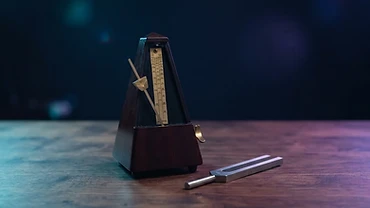
AI Music Generator for Teachers: Create Musical Examples for Your Lessons
Create musical examples for music lessons with AI. Generate pieces to demonstrate form, modes, styles, and other musical concepts with Stormusi Composer.

Teach Music Production Online Without Admin Overload for Educators
A practical method for educators to teach music production online: run a 4–8 week pilot, centralize submissions and rubrics to cut admin time.

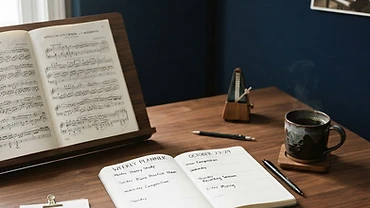
How to Simplify Music Studio Management
Discover how Stormusi Studio brings music studio management, scheduling, enrolments, billing, communication, and more together in one place.